
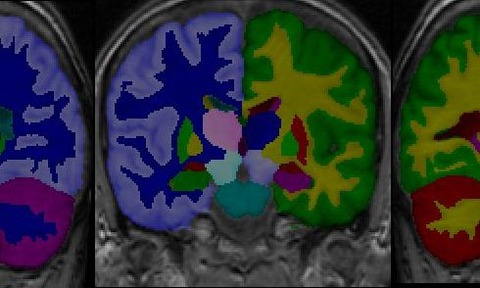
Scientists from VTT Technical Research Centre of Finland, in collaboration with the University of Eastern Finland, have recently discovered a serum biochemical signature which predicts progression to Alzheimer’s disease months or even years before the first symptoms of the disease occur.
The goal of the new collaboration between VTT and GE Healthcare is to validate this biomarker in a large patient cohort as well as to discover novel biomarker candidates.
Alzheimer’s disease (AD) is a growing challenge to the health care systems and economies of developed countries with millions of patients suffering from this disease and increasing numbers of new cases diagnosed annually with the increasing ageing of populations.
Early detection of prodromal AD is vital both for assessing the efficacy of potential AD therapeutic agents as well as new disease modifying therapies are most likely to be effective when initiated during the early stages of disease.
The elucidation of early metabolic pathways associated with progression to Alzheimer’s disease may also help in identifying new therapeutic avenues.
In 2010 GE Healthcare entered into “biosignatures initiative” alliance with Janssen Pharmaceutica N.V. (Janssen) to develop diagnostic biosignatures for pre-symptomatic identification of AD.
As part of this programme, VTT will apply serum metabolite profiling to validate their recently discovered biochemical signature, as well as to discover novel biomarker candidates predictive of progression to AD.
